SHOW ME THE MONET … TO MATISSE AT AGO: IMPRESSIVE DALLAS ‘IMPRESSIONIST REVOLUTION’ COLLECTION ALLOWED BRIEF STOP ACROSS BEAVER BORDER
Mark Clairmont | MuskokaTODAY.com ART REVIEW
Subscribe: E-transfer $30 to news@muskokatoday.com
TORONTO — Tariffs aside, cultural exchanges continue between Canada and the U.S.
“Monet to Matisse” importantly among them, as the Art Gallery of Ontario welcomes the ‘Impressionist Revolution’ works from the collection of the Dallas Museum of Art — after no doubt years of planning begun between T&T terms.
Show me the Monet! Or show me the Manet, it may also be said.
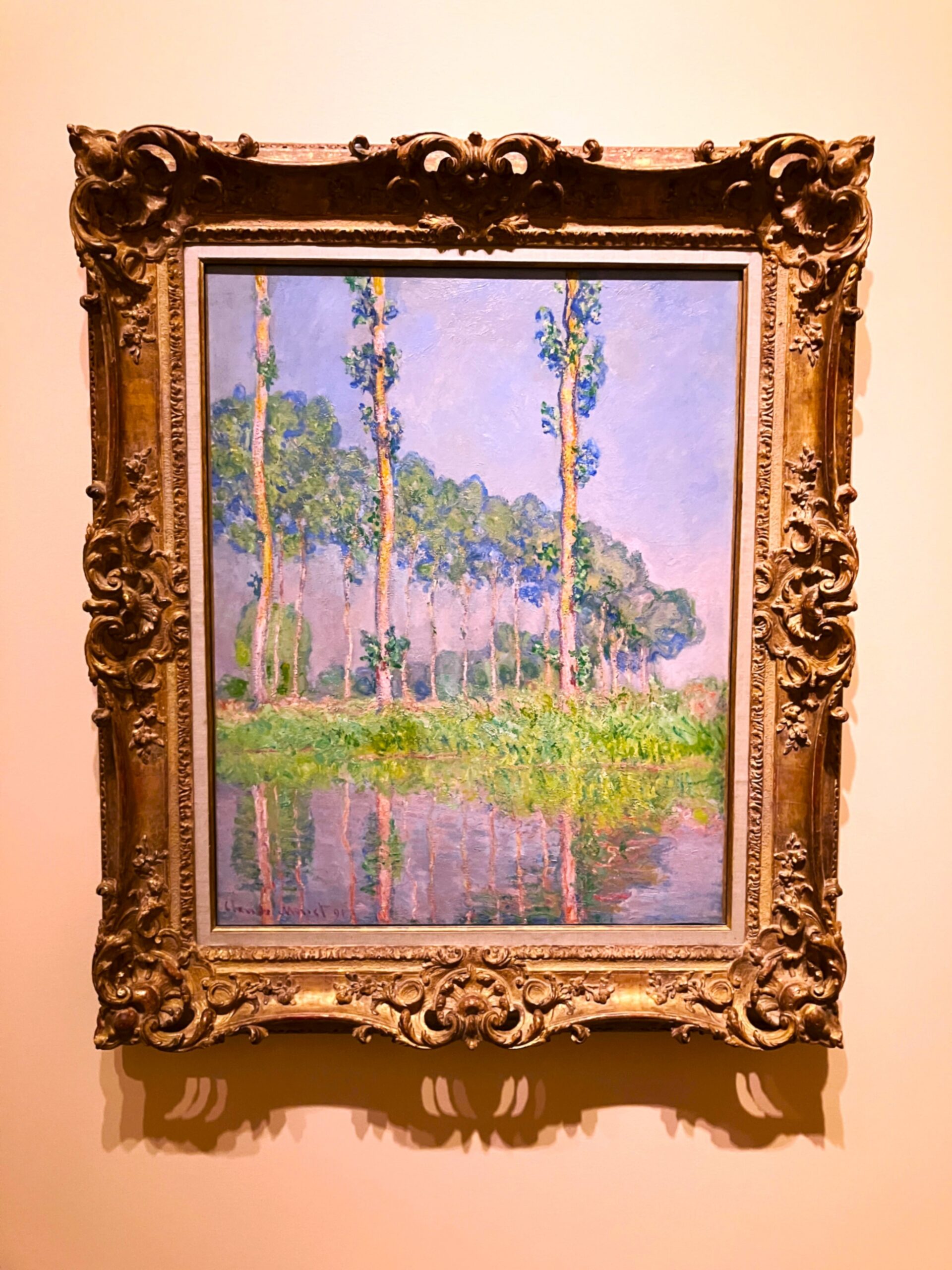
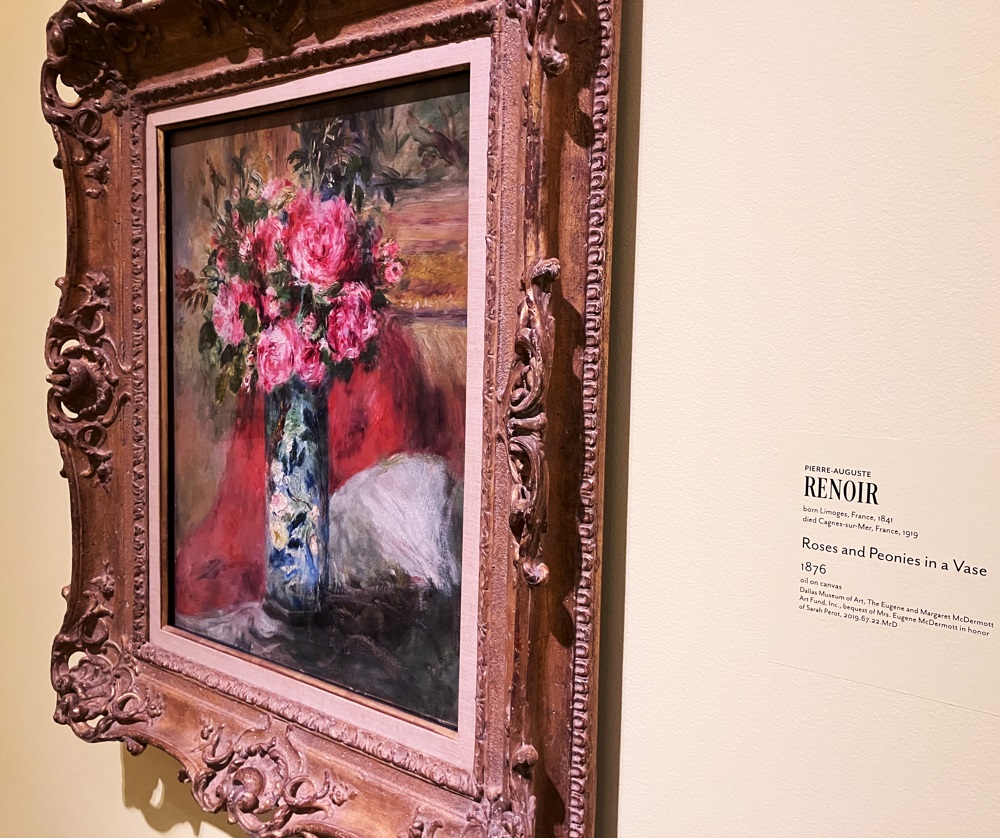
A trip to the AGO, always full of undiscovered treats, includes this immersive and impressive summer/fall showing (till Oct. 18), with some of the Impressionist artists lesser known — and lesser works in the eyes of one travelled art critic.
Fortunately other equally fine examples of their breakthrough brushstrokes can be found within the AGO’s own confines by going searching elsewhere among its cavernous galleries on the first floor.
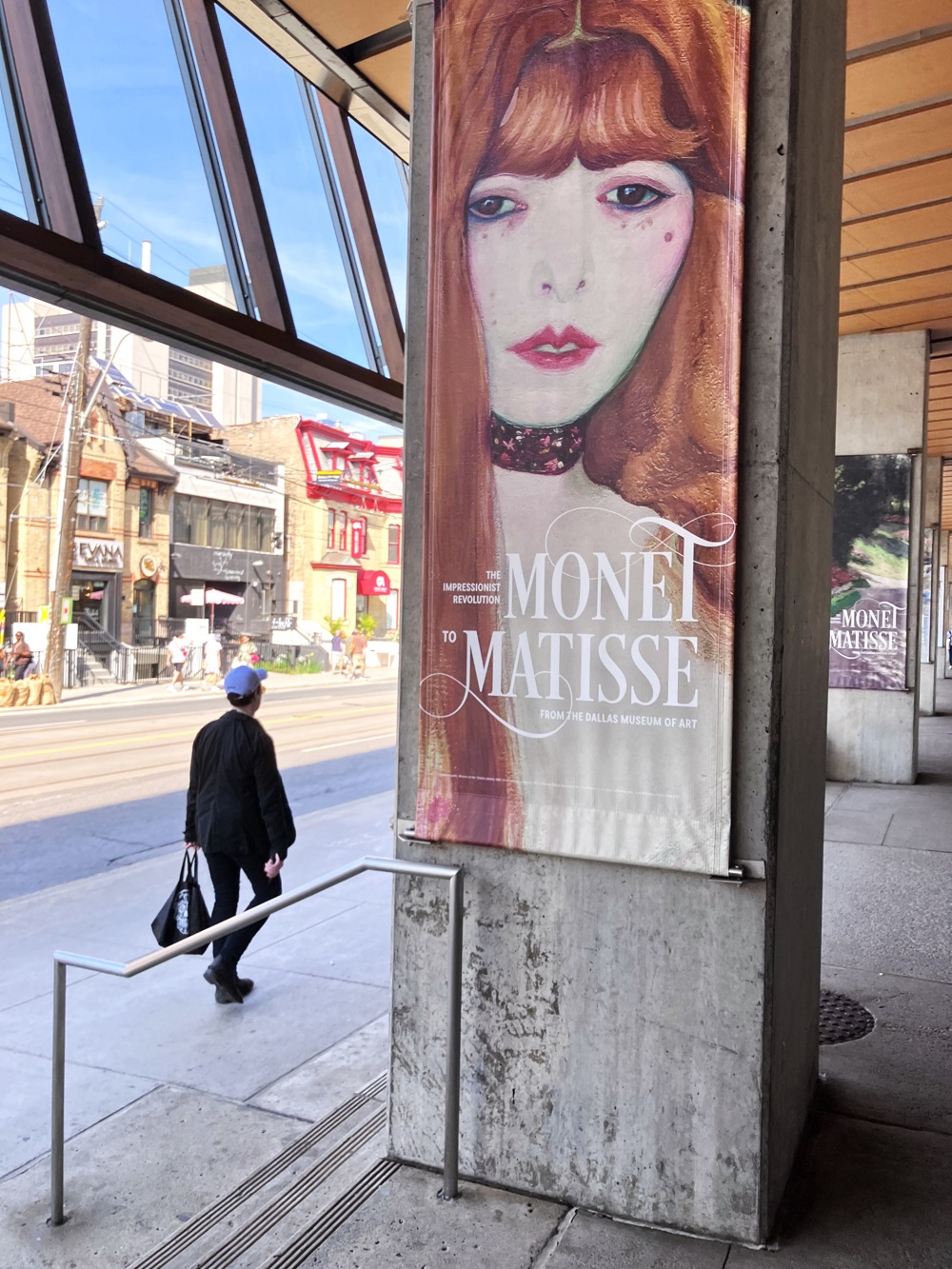
Still, this unique exhibit is deserving of its own large dedicated fourth floor space.
Elevating it as the new school Impressionist artists did by turning street art in to “high art.”
Taking life out on Dundas Street and bringing it into the salons of the AGO.
“One must be one’s time and paint what one sees,” an Edouard Manet quote highlights.
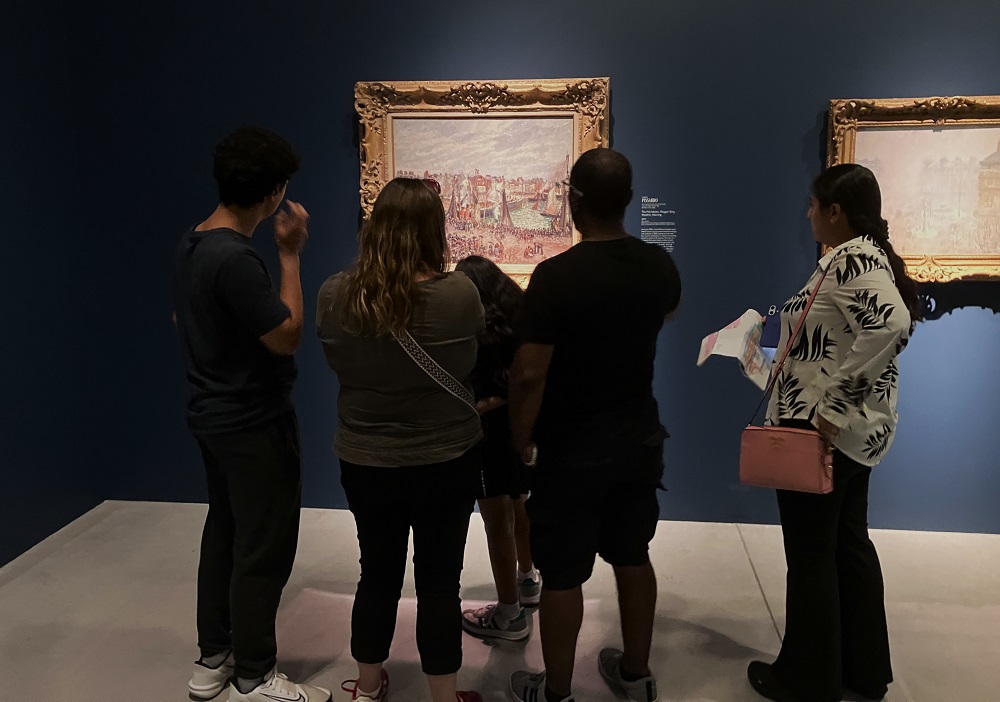
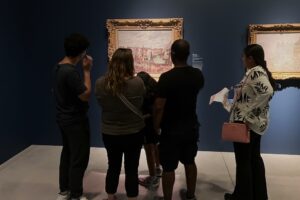
“Can you believe it’s a painting,” one admirer was overheard this week.
“Nice, but I thought there’d be more Monet,” added another young woman, quoting a fellow airline passenger she flew into town with.
But as beauty is in the eye of each beholder, ‘Monet to Matisse’ widely delivers as evidenced drawing crowds of reverential admirers with a full house Wednesday afternoon.
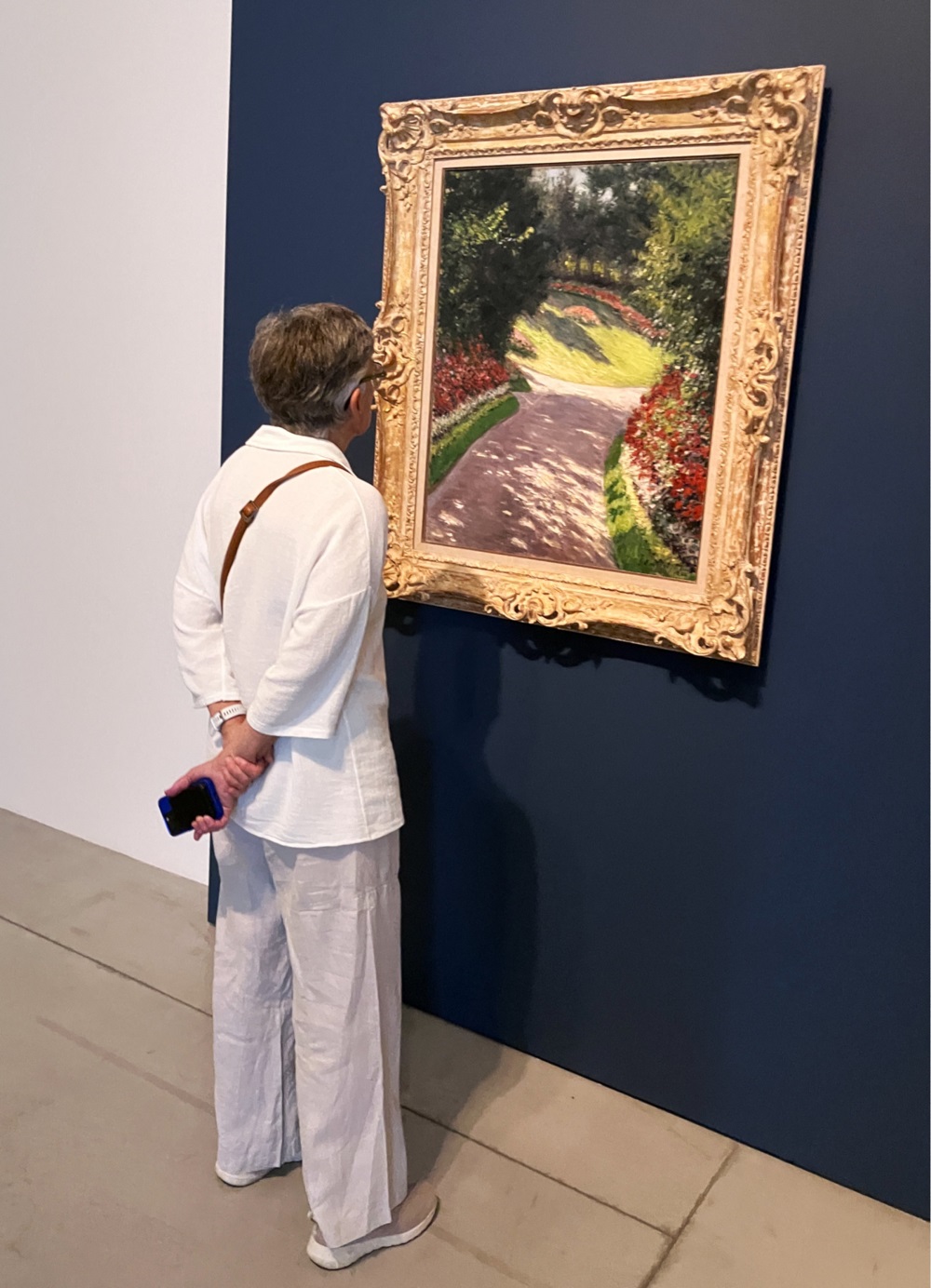
The M&M journey begins boldly with “The Path in the Garden,” an 1886 oil-on-canvas painting by French Impressionist artist Gustave Caillebotte, depicting a lush, inviting winding in full bloom garden path at his suburban home in Petit-Gennevilliers.
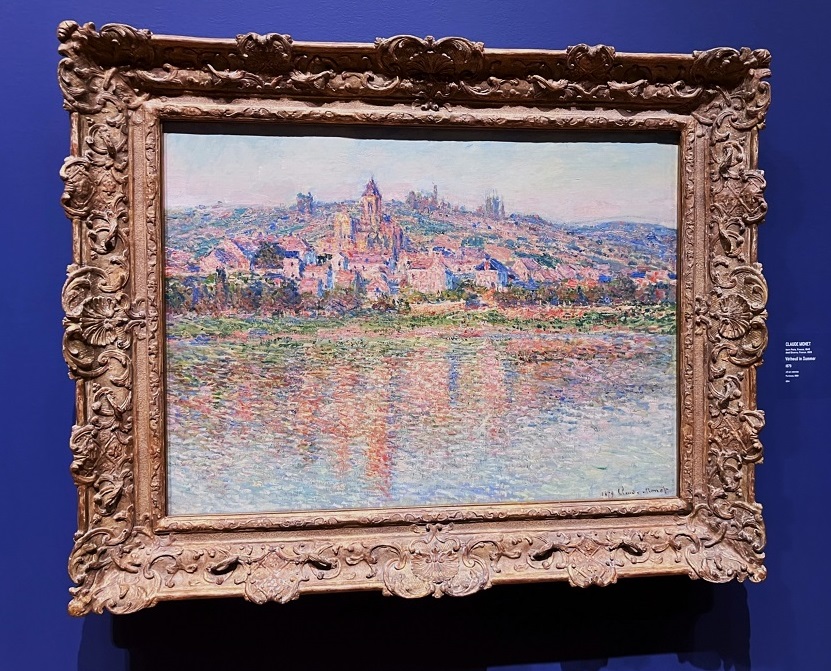
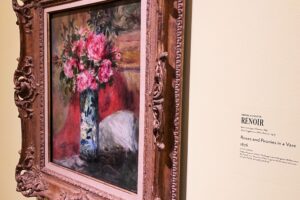
It serves as the introductory to the first small gallery with six additional paintings demonstrating how Impressionism, the 19th-century art movement defined by visible brushstrokes, bright colors, and outdoor scenes of daily life, began in Paris in the 1860s and 1870s. When a group of rebellious artists including Claude Monet, Augustine Renoir and Camille Pissarro rejected traditional academic painting rules and the conservative Paris Salon Galleries, which tended to historical and mythological scenes.
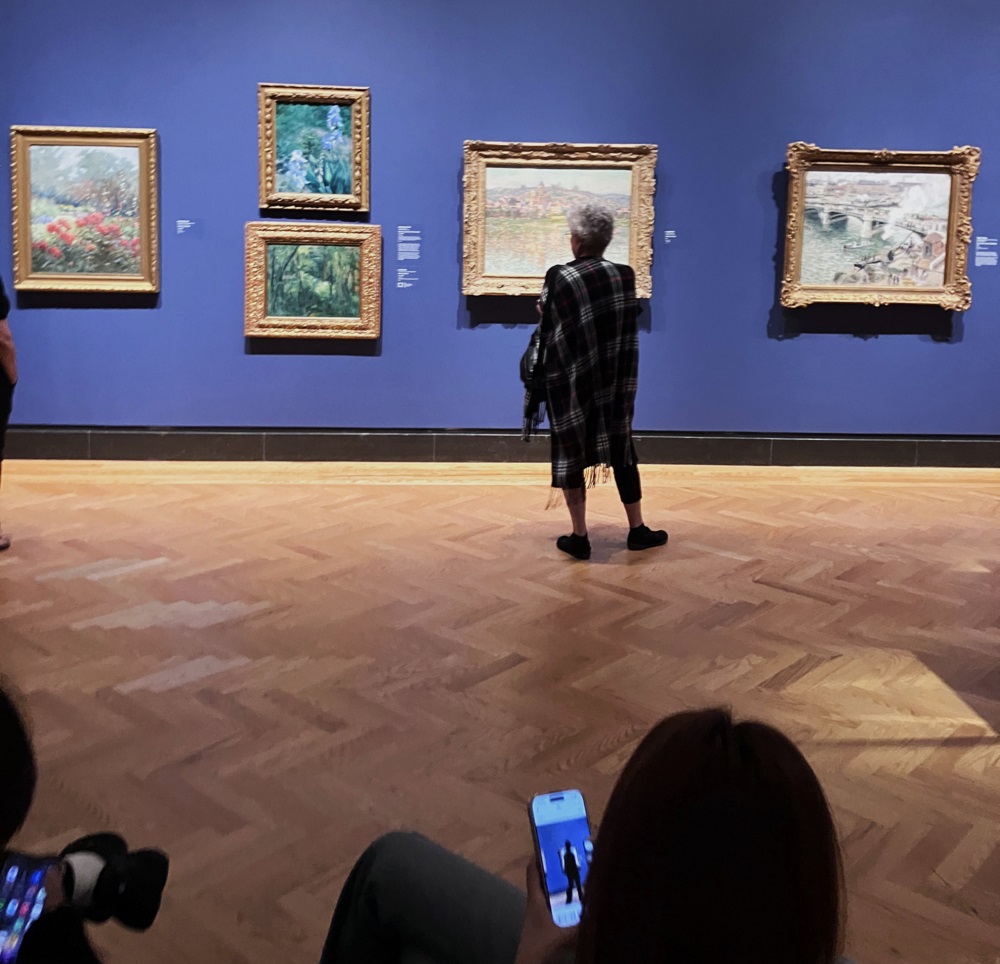
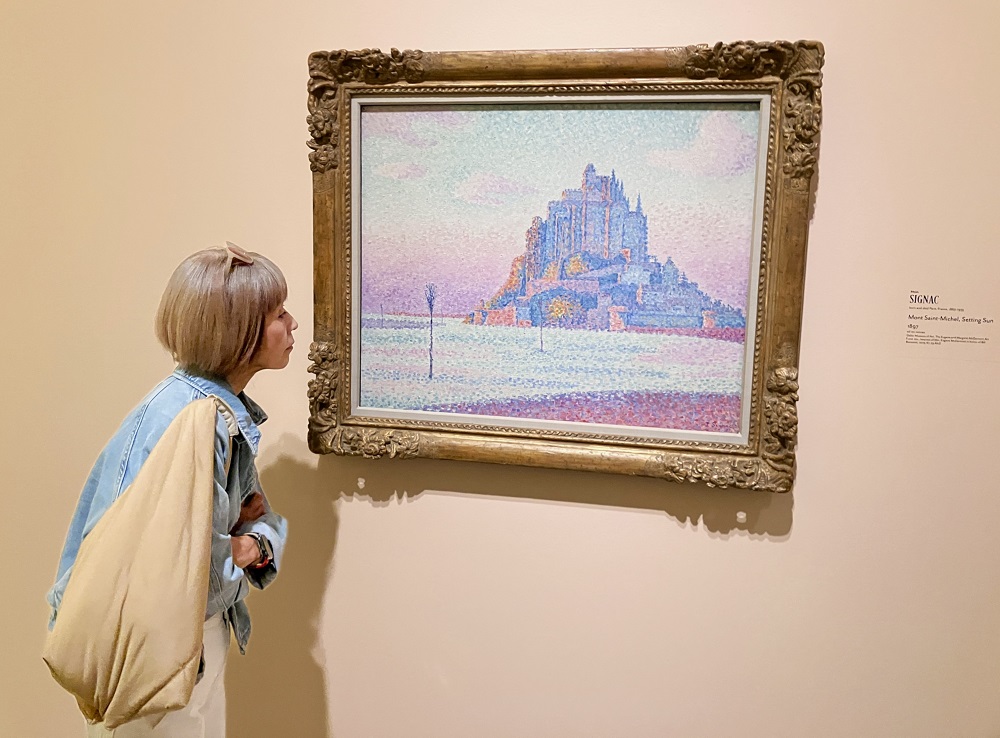
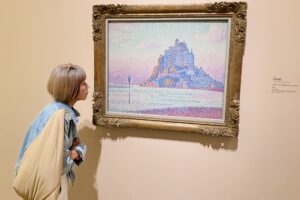
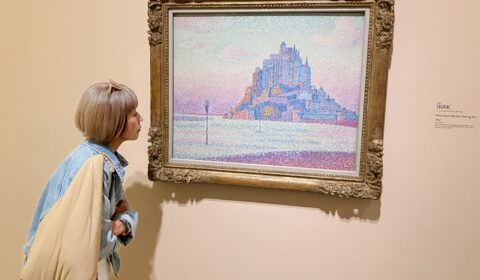
‘Techniques and Materials’ guides you further, explaining and exploring in 10 works including by Sisley, Morisot, Boudin, Signac and Pissarro.
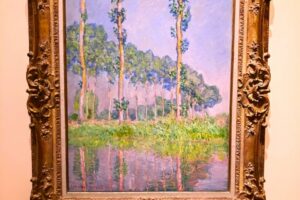
‘Landscape Transformed’ has six more artists’ works, many of them who weren’t afraid of a foggy square that added depth, emotion and feeling, as Impressionist painters used mist as a powerful tool to capture changing light, dissolve solid forms, and record the atmospheric effects of industrial pollution to the scene.
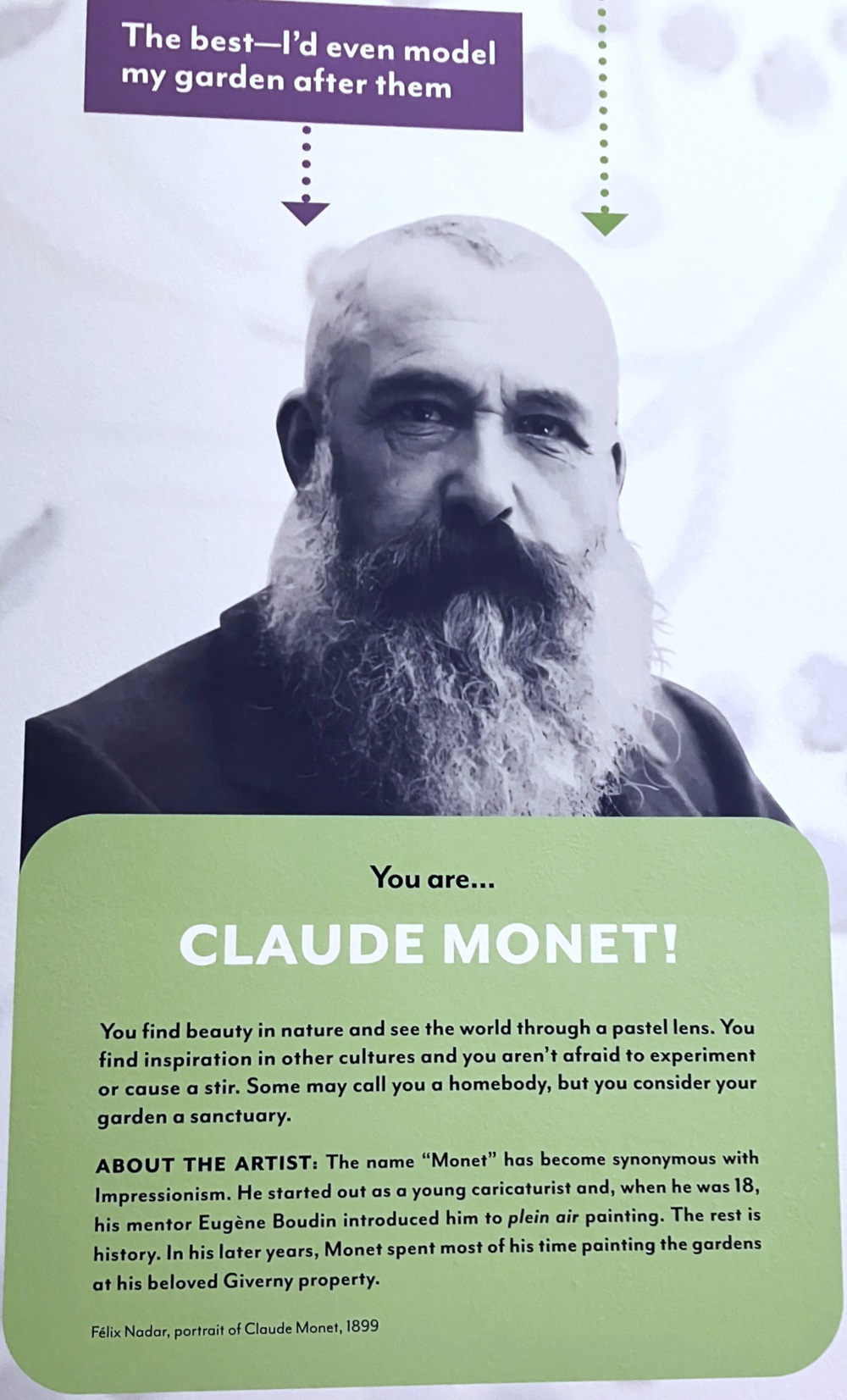
“The riches I achieve come from nature, the source of my inspiration,” Monet is largely, succinctly and simply quoted in one entranceway transitional introductory script.
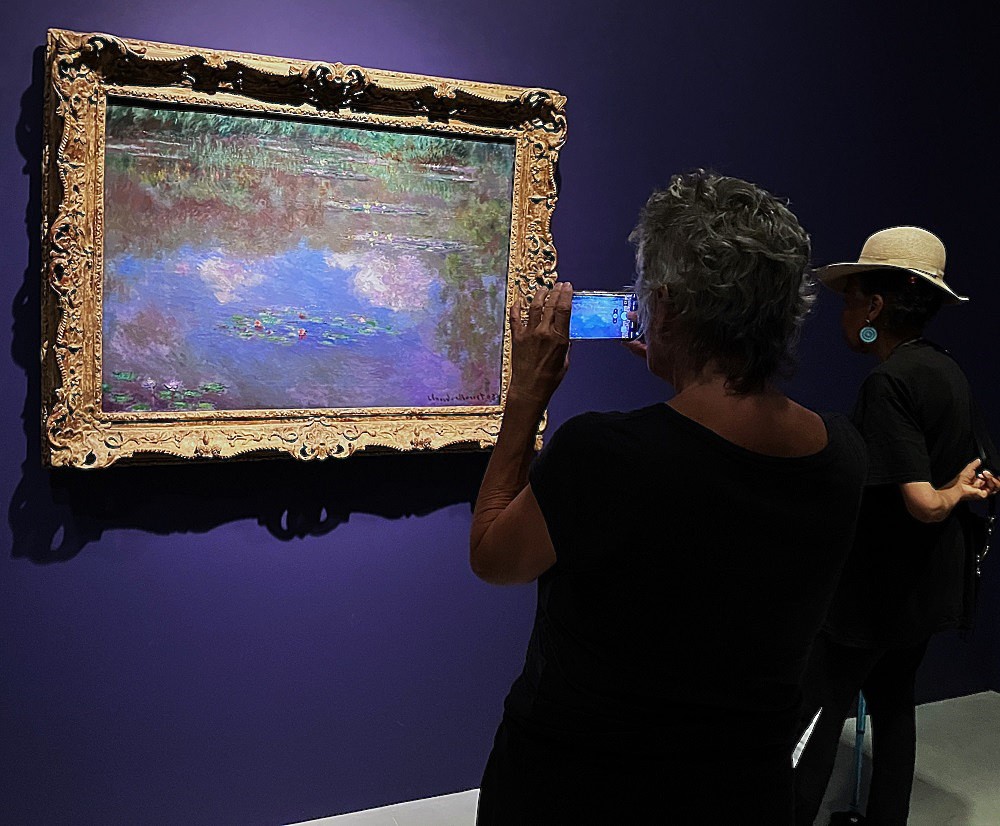
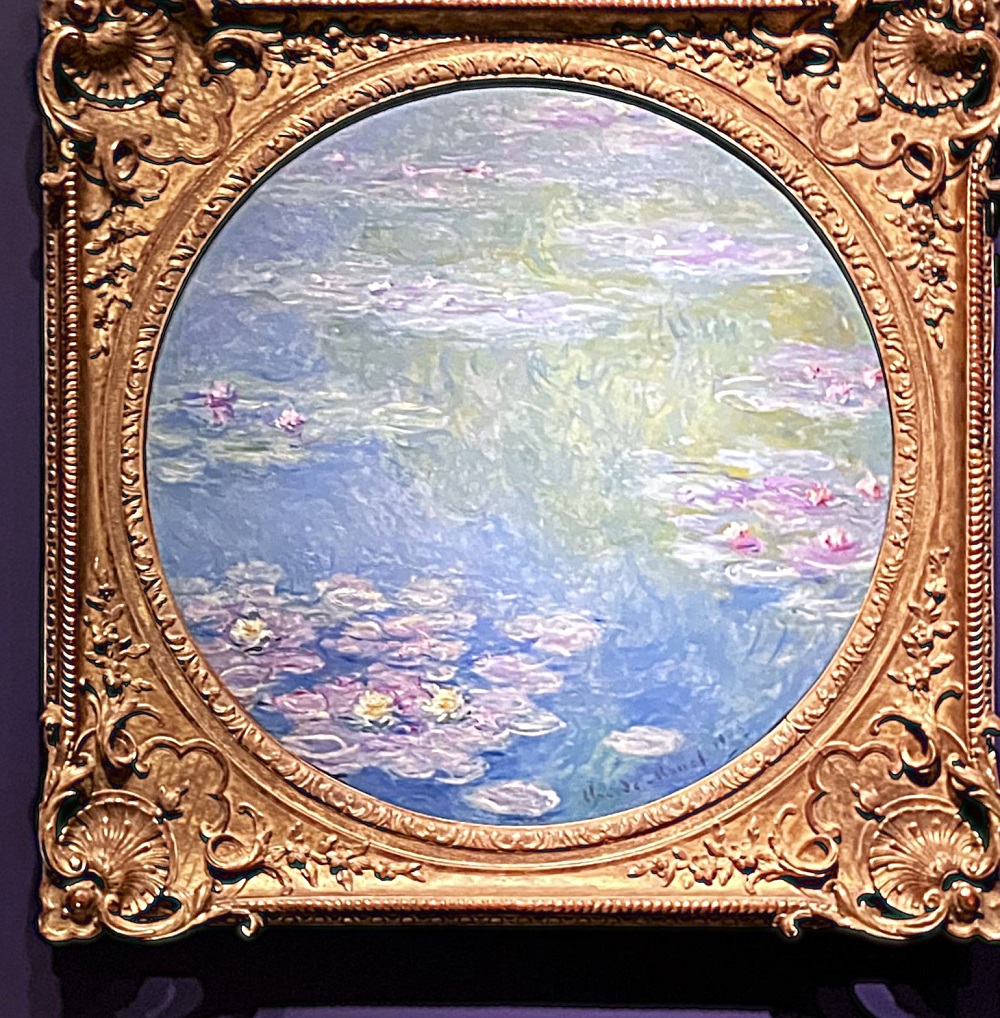
Which is precisely why water Lillies became the focus of his later art the final 20 years two decades of his life before he died in 1904.
When he moved outside Paris to Giverny — where he would have been at home in Muskoka’s lakelands — his primary focus and vision became capturing “immersive watery scenes.”
Thus M&M as one room alone is dedicated solely to two of these extraordinary works, “The Water Lillies” and “The Water Lilly Pond.”
Which have to be seen in person close-up to be truly best appreciated.
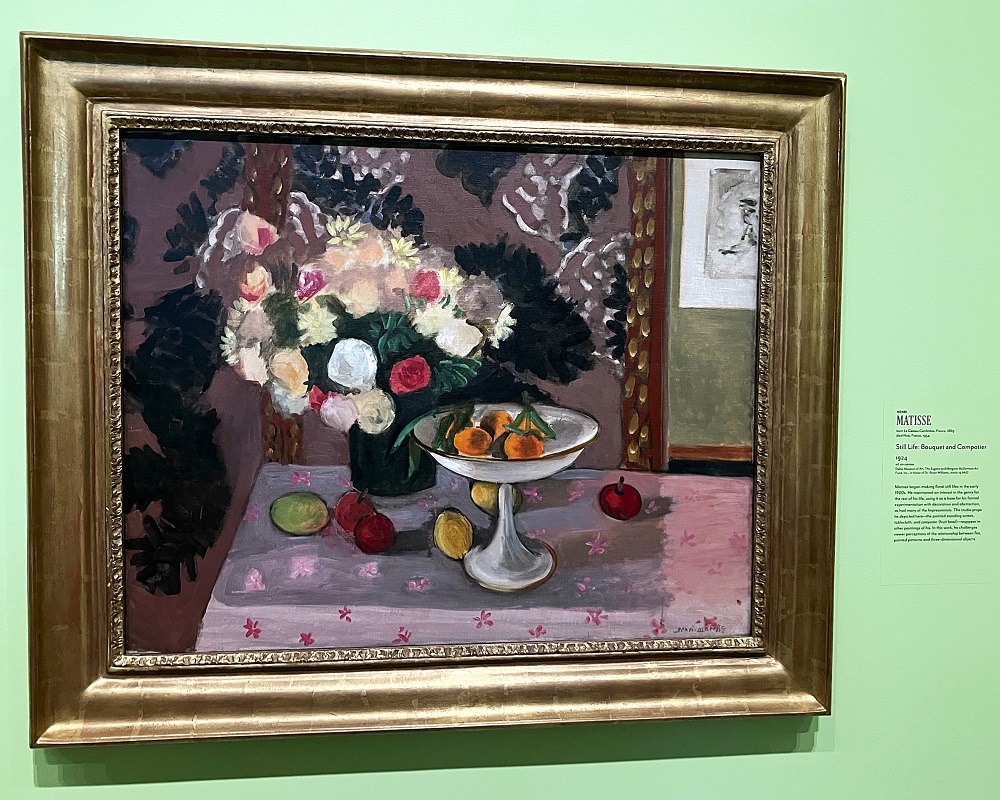
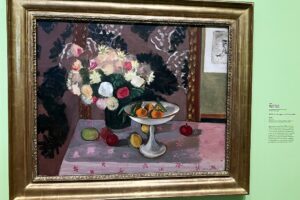
Monet to Matisse concludes with ‘After Impressionim’ with dozens more artworks by artists who were inspired and unleashed by Monet and friends who led by example.
See slide show below for more Mark Clairmont photos;
click on artwork to enlarge and see cutlines.
📧 Contact, Subscribe, Advertise
Email: news@muskokatoday.com
Mail: MuskokaTODAY.com, Box 34, Gravenhurst, ON P1P 1T5
Advertise: Email news@muskokatoday.com for rates